Damage Guides · Fire & Smoke
Why won't the smoke smell go away?
Because the smell is soot particles still lodged in porous materials and ductwork. Until they're physically removed, heat and humidity keep reactivating the odor.
- IICRC Certified #70193059
- CSLB #1114551
- Hemet-based
- Serving all of Riverside County
What You're Noticing
The signs
- A smoky smell that fades, then returns strong on hot or humid days.
- Odor that's worst near soft furnishings: carpet, upholstery, drapes, closets.
- The smell blowing back in when the heat or AC turns on.
- Fragrance from air fresheners layered over a smoke smell that never fully leaves.
- A faint gray film on surfaces and around the vents.
What's Actually Happening
The cause
Smoke leaves countless microscopic, oily particles that settle into anything porous. Carpet, upholstery, drywall, insulation, and especially the HVAC ductwork soak them up and hold them, and they keep releasing the smell for weeks or months.
That's why it seems to come back. Heat and humidity reactivate the trapped particles, so the odor returns on warm days or when the system runs. Air fresheners and sprays only add a scent on top; the moment the fragrance fades, the smoke smell is still there because the source, the residue itself, was never removed.
Do This Now
Do this in the next 30 minutes
A few careful moves protect your safety and limit the damage. If a step isn’t safe, skip it and call us.
- 1
Stop masking it
Set the plug-ins and sprays aside. They cover the smell temporarily and make it harder to tell whether the source is being dealt with.
- 2
Turn off and check the HVAC
Ducts hold smoke residue and blow it back through the house. Keep the system off until it can be inspected, and don't run it to "air the place out."
- 3
Isolate the worst-smelling soft goods
Carpet, curtains, and upholstery are usually the biggest reservoirs. Note which items smell strongest so they can be cleaned or evaluated properly.
- 4
Get it assessed before you replace things
Before you tear out carpet or toss furniture, have the residue sources identified. Some items clean up; knowing which saves money and guesswork.
Avoid These Mistakes
Don't do this
These are the moves that turn a manageable loss into a bigger, costlier one.
- Don't rely on air fresheners, candles, or an ozone gadget; they mask or chase the smell without removing the residue.
- Don't run the HVAC before the ducts are checked; it recirculates the smoke through every room.
- Don't repaint over smoke-stained walls without cleaning first; the odor bleeds right back through.
- Don't assume time alone fixes it; trapped soot can keep releasing odor for months.
Smoke smell keeps coming back? Stop masking it.
The odor lives in the residue and the ducts. Call and we will clean it out at the source.
How We Handle It
What we do when we arrive
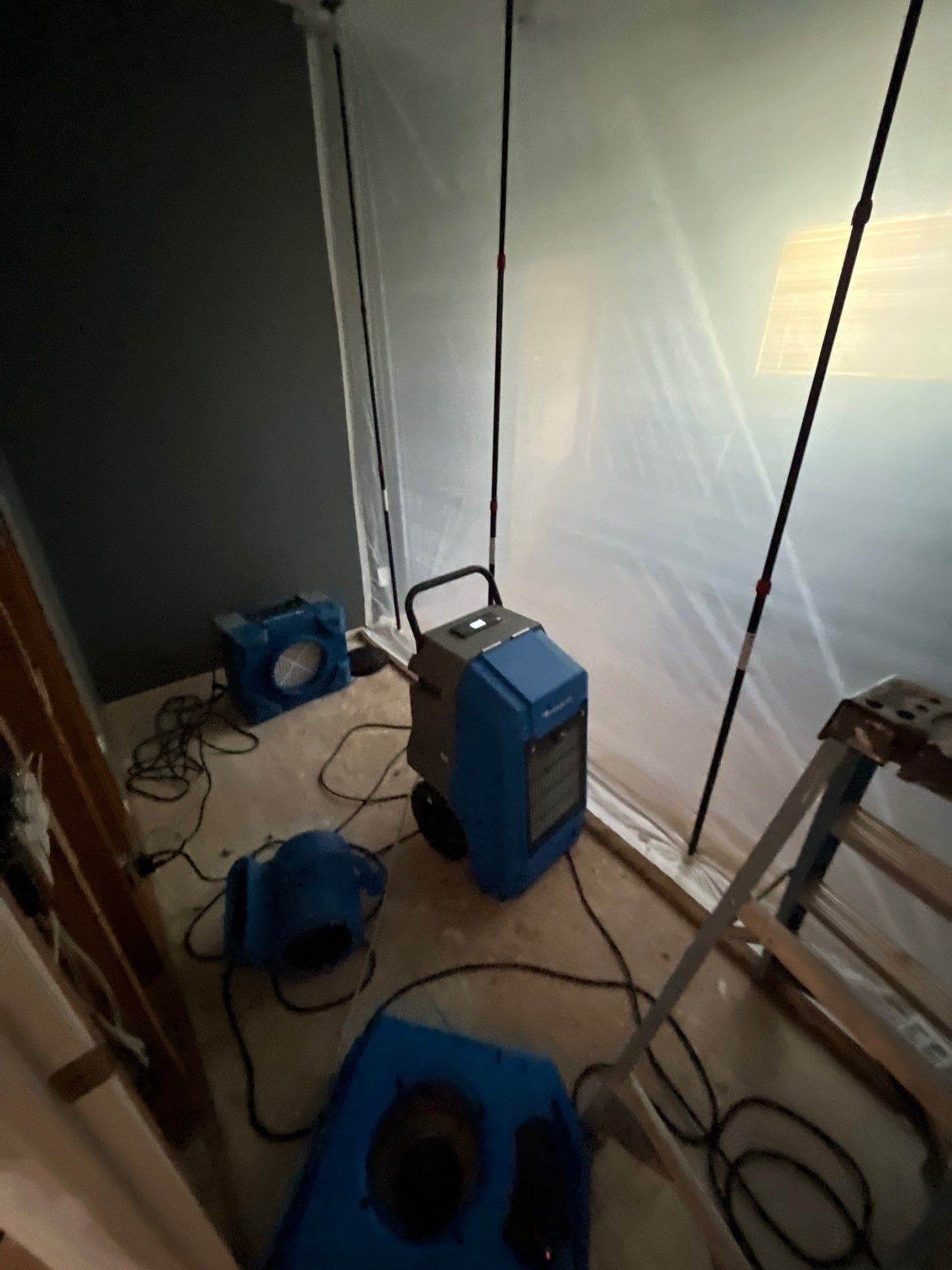
First we find where the smoke settled, including rooms and cavities far from the source, then clean the surfaces and contents that hold it with methods matched to each material, because that residue is what's producing the odor.
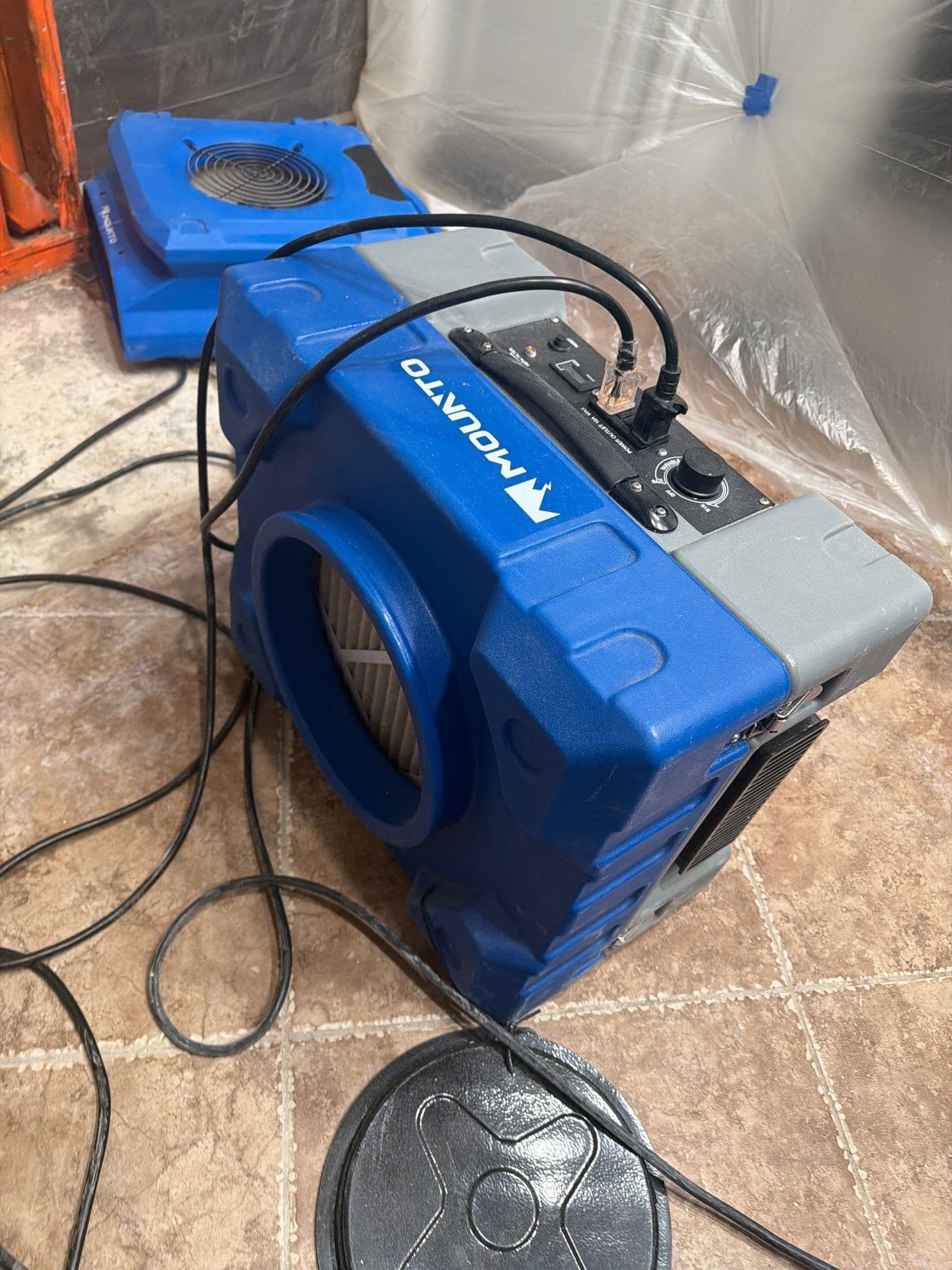
HEPA air scrubbing pulls particulates out of the air as we work, and targeted deodorization neutralizes what's left at the source instead of covering it. Where ductwork or porous materials are holding the smell, we address those directly, so the odor is gone rather than temporarily masked.
Your Claim
When insurance covers it
Smoke and odor removal is often part of a larger fire or smoke claim, and when it stems from a sudden covered event it's commonly included. The documentation of where the smoke traveled is what supports it.
We can't promise how your carrier rules, but we map the affected areas and record the work so your adjuster has a clear picture of the full scope; smoke rarely stays where the fire was.
Prevention
How to Keep Smoke Odor from Setting into Your Home
Smoke residue bonds harder every hour it sits. Immediate ventilation, shutting the HVAC down until ducts are assessed, cleaning before any painting or sealing, and early removal of fabrics determine whether smoke odor lasts days or months.
- Ventilate aggressively in the first hours. Every hour of trapped smoke drives residue deeper into porous surfaces.
- Shut the HVAC down until ducts are assessed. Running the system distributes soot into rooms the fire never touched.
- Do not paint or seal before cleaning. Coatings applied over residue lock the odor into the wall permanently.
- Remove fabrics early. Upholstery, curtains, and clothing hold smoke longest and release it slowest.
Questions
Smoke Smell Won't Leave, frequently asked
Why does the smoke smell return when it's hot?
Heat and humidity reactivate the microscopic smoke particles trapped in porous materials and ductwork. They release odor when the air warms up or the HVAC runs, which is why the smell seems to come back even after things look and feel clean.
Will an ozone machine or air freshener fix it?
Not permanently. Air fresheners only mask it, and while ozone is sometimes used as one step, none of it removes the residue producing the smell. Until the soot is physically cleaned from surfaces, materials, and ducts, the odor returns.
Can the smell be removed permanently?
Yes, when the source is dealt with. That means cleaning the residue out of the materials and ductwork holding it and neutralizing what remains at the source with proper deodorization, not layering fragrance over it. Remove the residue and the odor goes with it.
Get Help Now
Request a free inspection
The Service That Handles This
Where We See It
Related Guides
24/7 Emergency Response
Damage won't wait. Neither do we.
Call now for a free inspection and 24/7 response across Hemet and Riverside County. We handle the cleanup and deal with your insurer.