
Damage Guides · Insurance & Storm
How does a water damage insurance claim work?
From the first call to closing, mitigation and the claim run in parallel: we document and dry, your adjuster reviews the scope, and the estimate is settled, usually in Xactimate.
- IICRC Certified #70193059
- CSLB #1114551
- Hemet-based
- Serving all of Riverside County
What To Expect
What the process looks like
- The first call, to us to start drying, and to your carrier to open the claim.
- An inspection and documentation of the loss before anything is removed.
- An adjuster reviewing the damage, often against an Xactimate estimate.
- The mitigation work (extraction, drying, and daily monitoring) running alongside the claim.
- The claim settling on a scope, and a handoff to any rebuild that's needed.
How It Works
Two tracks, one record
A water-damage claim really runs on two tracks at once. One is mitigation, stopping the damage and drying the structure, which can't wait for paperwork. The other is the insurance claim, documenting the loss, agreeing on a scope, and settling the cost. The two move in parallel, and good documentation is the thread that ties them together.
Most restoration and insurance estimates are written in Xactimate, the industry-standard pricing software adjusters use, so everyone works from the same line items and regional prices. That common language is why a thoroughly documented scope tends to settle more smoothly than a vague one.
Step by Step
How the claim unfolds
The typical path from the first call to a closed claim, and who handles each step.
- 1
Call for mitigation and open the claim
Call us to start drying right away, and notify your insurer to open the claim. Starting mitigation promptly protects both the property and the claim.
- 2
We inspect and document the loss
We photograph the damage, map the moisture, and record the source and scope before anything is removed, the baseline the whole claim is built on.
- 3
We dry and monitor while the adjuster reviews
Extraction and structural drying proceed with daily readings logged. Your adjuster reviews the loss, typically against an Xactimate estimate of the work.
- 4
The scope settles and rebuild is handed off
Once the documented mitigation scope is agreed, that part of the claim closes. If reconstruction is needed, we help coordinate the handoff to a rebuild contractor.
Avoid These Mistakes
Don't do this
These are the moves that turn a manageable loss into a bigger, costlier one.
- Don't wait for the adjuster before starting drying; mitigation can't pause, and delay hurts both the home and the claim.
- Don't tear out or discard materials before they're documented; that record supports the scope.
- Don't rely on a verbal scope; get the documented estimate and readings in writing.
- Don't expect us to rebuild your home; Resolve handles mitigation and hands finished, dry space to a rebuild contractor.
Facing a water-damage claim for the first time?
We'll handle the mitigation and the documentation, and work with your adjuster start to finish. Call any hour.
How We Handle It
What we do when we arrive
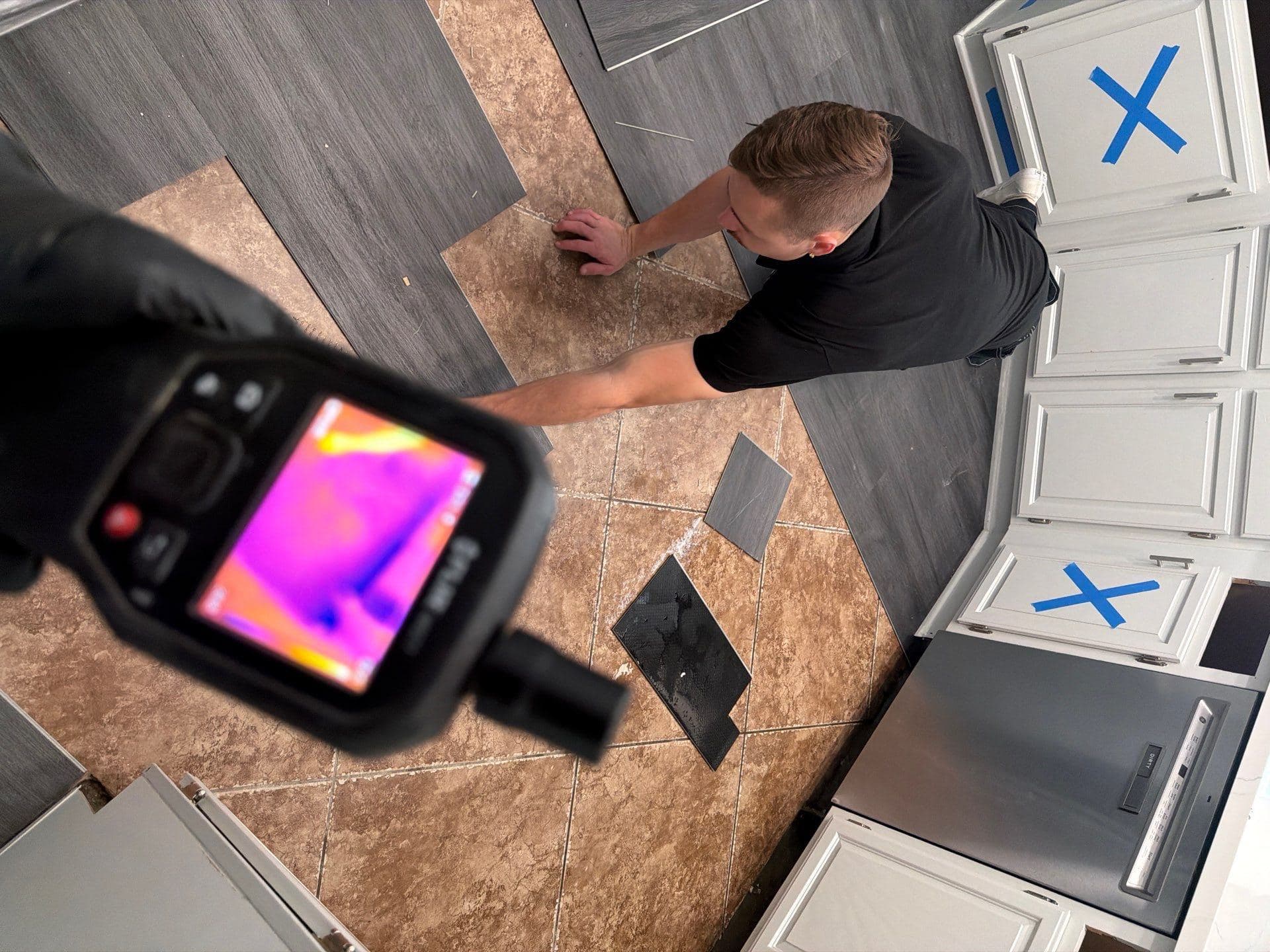
Our role is the mitigation half and the documentation that supports the claim. We respond, extract, and dry to IICRC S500 targets, and we log the loss end to end (photos, moisture maps, and daily readings), so every item in the scope has evidence behind it.
We write and share a clear, itemized scope that lines up with how your adjuster prices the work, and we communicate with them directly, advocating for a fair, accurate mitigation scope. When the readings hit target and the file is complete, we hand off cleanly to whatever rebuild comes next; we don't do the reconstruction ourselves.
Prevention
How to Strengthen Your Insurance Claim
Strong claims are built in the first hours of a loss. Photographs taken before anything moves, damaged materials preserved for the adjuster, a simple log of every call, and careful review of paperwork before signing give a claim its best footing.
- Photograph before anything is moved. Include serial numbers and model plates on damaged appliances and equipment.
- Preserve damaged materials. Keep them until the adjuster has inspected them or released them in writing.
- Log every call. Date, name, and a one-line summary is enough to resolve most later disputes.
- Read before signing. Assignment-of-benefits paperwork in particular deserves review; ask us to explain any document.
Questions
How a Mitigation Claim Works, frequently asked
What is Xactimate and why does it matter?
Xactimate is the industry-standard estimating software most adjusters and restoration companies use, with regional pricing and standard line items. Writing the scope in the same tool your adjuster uses means everyone works from the same numbers, which helps the claim settle fairly.
Do I start drying before the adjuster sees it?
Yes. Mitigation shouldn't wait, most policies expect you to prevent further damage, and drying can't pause for paperwork. We document thoroughly before and during the work, so the adjuster can review a complete record even though drying started right away.
Does Resolve rebuild my home after?
No. We handle the mitigation, get the space dry and cleaned up with the documentation to show it, then hand off to a rebuild contractor for any reconstruction. Because we don't bid the rebuild, our estimate never has repair costs mixed into the mitigation scope, and adjusters notice that.
Get Help Now
Request a free inspection
The Service That Handles This
Where We See It
Related Guides
24/7 Emergency Response
Damage won't wait. Neither do we.
Call now for a free inspection and 24/7 response across Hemet and Riverside County. We handle the cleanup and deal with your insurer.