Damage Guides · Mold
Can I stay home during mold remediation?
Often yes. Containment seals the work area off from the rest of the house, but it depends on the size of the job and where the mold is.
- IICRC Certified #70193059
- CSLB #1114551
- Hemet-based
- Serving all of Riverside County
What You're Noticing
The signs
- Plastic sheeting sealing off the work area from the rest of the house.
- A negative-air machine running so air flows into the work zone, not out of it.
- HEPA air scrubbers humming during the day while the crew works.
- A zippered entry into the contained area, kept closed between trips.
- The TV on in the living room while the equipment runs behind the plastic down the hall.
What's Actually Happening
The cause
Remediation is built around keeping mold from spreading, and that same setup is what usually lets you stay. The crew seals the work area in plastic and runs a negative-air machine, so air is pulled into the contained zone and filtered before it leaves; spores don't drift into the rest of the house.
Whether staying makes sense depends on the specifics. A contained bathroom or a single wall is one thing; a large job, mold across shared HVAC, or work in your only bathroom or bedroom is another. Health matters too: people react to mold differently, so a household with someone sensitive may choose to step out even when containment is solid.
Do This Now
Do this in the next 30 minutes
A few careful moves protect your safety and limit the damage. If a step isn’t safe, skip it and call us.
- 1
Keep out of the contained area
Stay on your side of the plastic and leave the zippered entry closed. Containment only works if the barrier stays intact, so let the crew move in and out.
- 2
Let the equipment run around the clock
Negative-air machines and scrubbers are most effective running continuously. Don't switch them off at night for the noise. That constant airflow is what keeps the air clean.
- 3
Plan around the affected rooms
If the work is in a bathroom or bedroom you rely on, sort out the alternative up front. We'll walk you through which rooms are usable and for how long.
- 4
Tell us about anyone sensitive
If someone in the home has asthma, allergies, or a weakened immune system, let us know. We'll be candid about whether staying is a good idea for your specific job.
Avoid These Mistakes
Don't do this
These are the moves that turn a manageable loss into a bigger, costlier one.
- Don't unzip or peek into the containment to check progress; that breaks the seal protecting your air.
- Don't turn off the negative-air machine or scrubbers overnight; running them is the whole point.
- Don't run your HVAC across the work zone if we've asked you to keep it off; it can move spores.
- Don't assume every job is the same; a big or HVAC-involved remediation may genuinely call for stepping out.
Wondering if you can stay put during the work?
Tell us where the mold is and who's in the home, and we'll tell you where you stand. Call any hour.
How We Handle It
What we do when we arrive
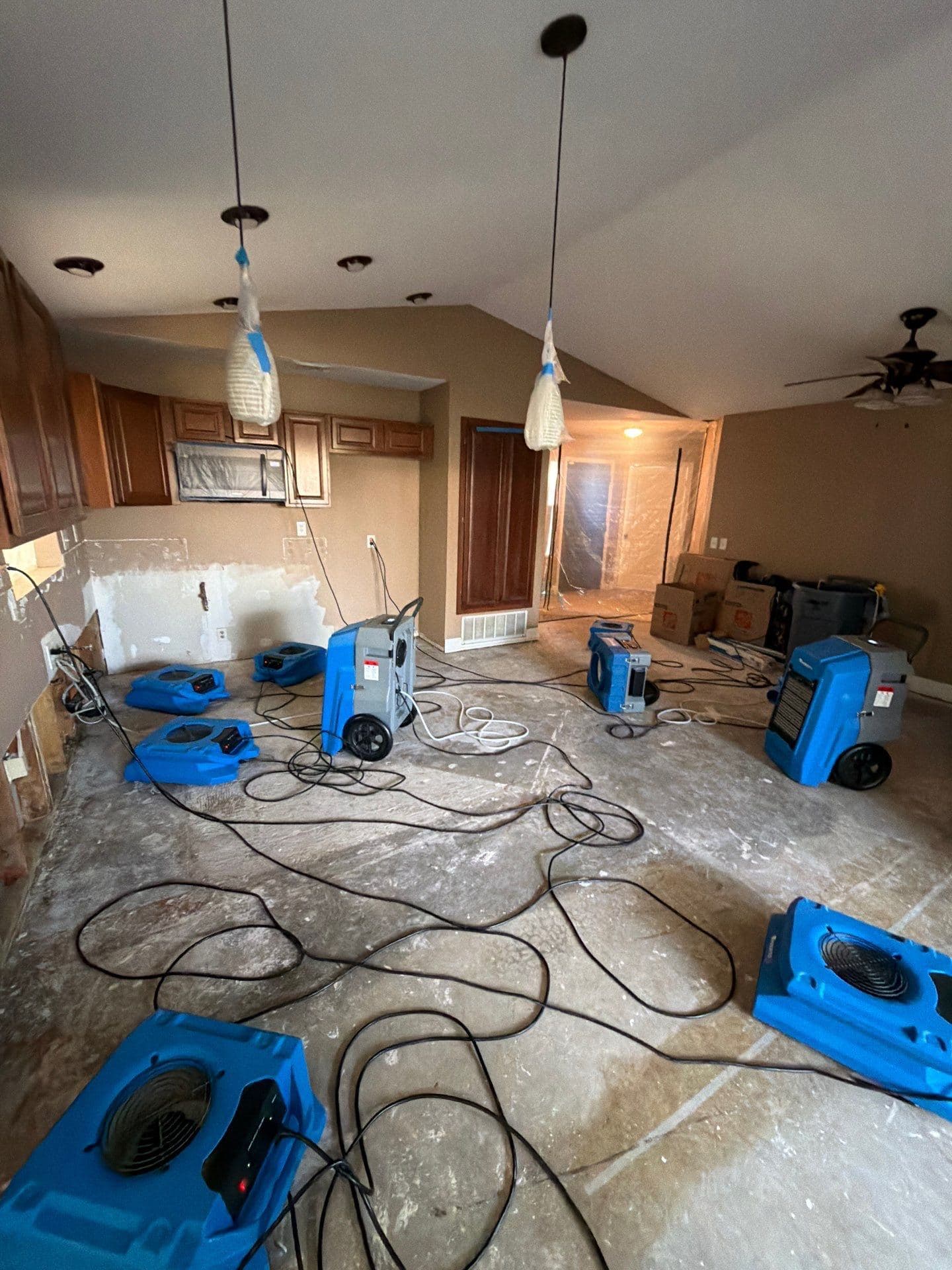
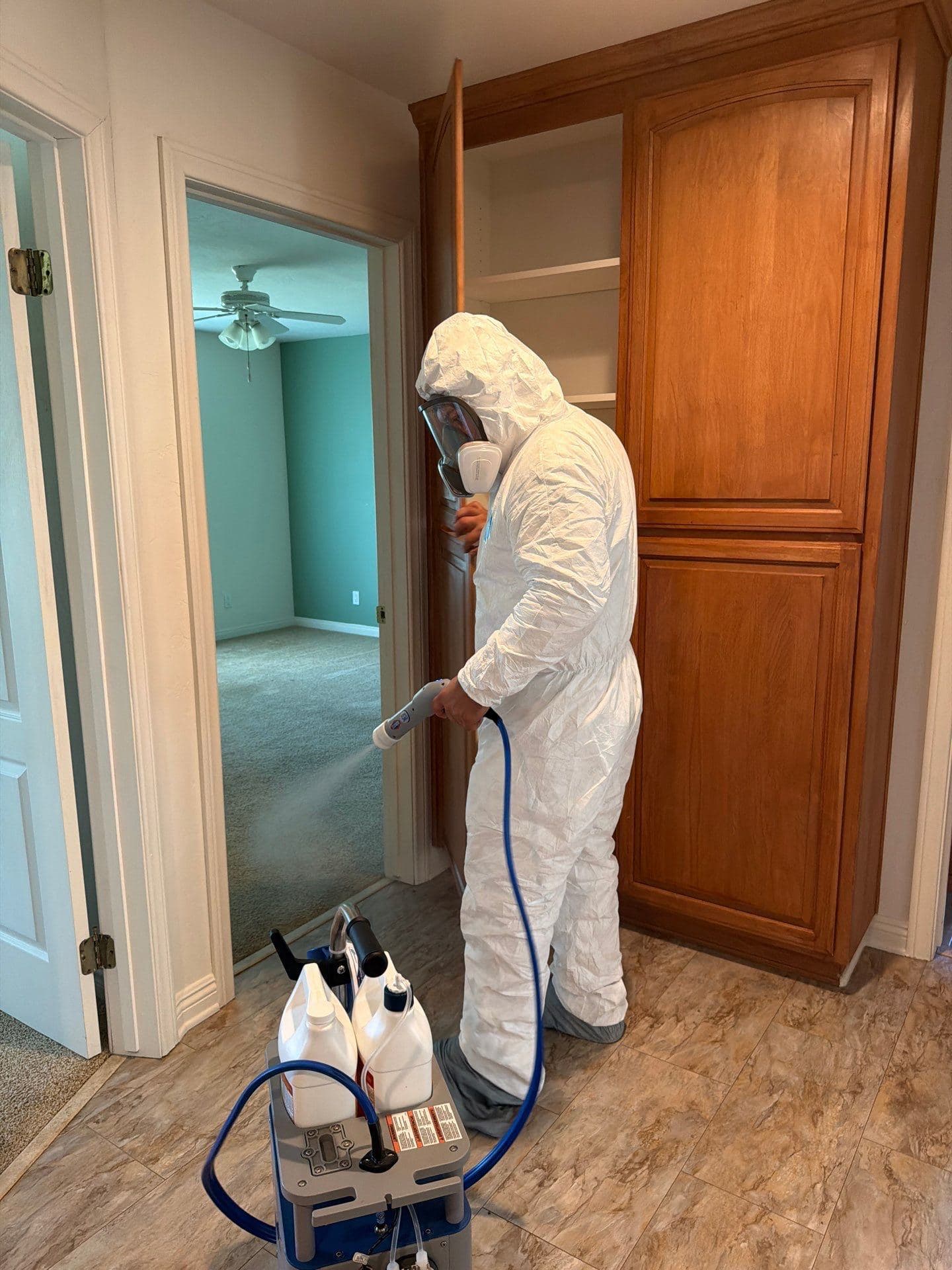
We set up containment before any mold is disturbed, sealing the area in plastic, establishing negative air pressure, and running HEPA scrubbers, so the removal stays sealed off from the rest of the house. Then affected materials come out and surfaces are treated to IICRC standards.
Throughout, we tell you what's usable and what's off-limits. If your job is one where staying comfortable and safe isn't realistic, we'll say so rather than leave you guessing, and either way we address the moisture source so it doesn't come back.
Prevention
How to Stay Safe During Mold Remediation
Staying home during remediation is usually safe when containment is respected. Staying out of the work zone, keeping sensitive family members distant on demolition days, leaving air machines running, and expecting a daily briefing keep exposure near zero.
- Treat containment as a hard boundary. The plastic and negative air pressure protect the rest of the house only while the barrier stays sealed.
- Plan around demolition days. Children, pets, and anyone with respiratory conditions should be farthest away when material comes out.
- Leave negative-air machines running around the clock. They are sized for continuous operation; shutting them off releases what they hold.
- Expect a daily briefing. You should know each day what was found, what happens next, and when clearance testing occurs.
Questions
Staying Home During Remediation, frequently asked
Is it safe to sleep in the house during mold remediation?
Usually, when the work is contained and away from your bedroom. Containment and negative air keep spores in the work zone. If the job is large, involves shared HVAC, or someone in the home is sensitive, we may recommend staying elsewhere, and we'll tell you which.
What is negative air and why does it matter?
It's a HEPA machine that keeps the sealed work area at lower pressure than the rest of the house, so air flows in and is filtered before it leaves. That's what stops spores from drifting into your living space while we remove the mold.
How long will my house be torn up?
It depends on the size and location of the mold, plus drying the moisture that caused it. Many contained jobs run a few days. We give you a realistic timeline up front and tell you which rooms stay usable meanwhile.
Get Help Now
Request a free inspection
The Service That Handles This
Where We See It
Related Guides
24/7 Emergency Response
Damage won't wait. Neither do we.
Call now for a free inspection and 24/7 response across Hemet and Riverside County. We handle the cleanup and deal with your insurer.