
Damage Guides · Insurance & Storm
Does homeowners insurance cover water damage?
Often, when the damage is sudden and accidental, like a burst pipe or a failed water heater. Gradual, long-term leaks are the common exclusion. Every policy is different.
- IICRC Certified #70193059
- CSLB #1114551
- Hemet-based
- Serving all of Riverside County
What You're Noticing
The signs
- A burst pipe or overflow that happened all at once, out of nowhere.
- A slow drip under a sink or behind a wall that turns out to have leaked for months.
- A sewer or drain backup coming up through a floor drain or toilet.
- Water coming in through the roof during a storm.
- Flooding from outside, rising water or heavy runoff entering the home.
What's Actually Happening
The cause
Most homeowners policies draw the line at sudden versus gradual. Water damage from an abrupt, accidental event (a pipe that bursts, a water heater that fails, an appliance hose that lets go) is commonly covered. Damage that built up slowly from a leak that dripped for months, or from a lack of maintenance, is frequently excluded.
The other big distinction is the water's source. A sewer or drain backup is often only covered if you carry a specific backup endorsement, and flooding, rising surface water from outside, is usually excluded from a standard policy and covered only under separate flood insurance. Beyond those rules, the details genuinely vary from one policy to the next.
Do This Now
Do this in the next 30 minutes
A few careful moves protect your safety and limit the damage. If a step isn’t safe, skip it and call us.
- 1
Stop the source and prevent more damage
Most policies expect you to take reasonable steps to limit the loss: shut off the water and prevent further damage. Doing that promptly also helps your claim.
- 2
Document everything before cleanup
Photograph and video the water, the source, and everything it reached before you touch it. Thorough documentation up front changes how a claim goes more than anything else.
- 3
Find your policy and note the cause
Locate your policy and think through what happened (sudden or gradual) and where the water came from. That framing matters for how it's classified.
- 4
Report it and start mitigation promptly
Notify your carrier and get professional drying started quickly. Delay both weakens the claim and lets the damage, and the cost, grow.
Avoid These Mistakes
Don't do this
These are the moves that turn a manageable loss into a bigger, costlier one.
- Don't wait to start drying while you sort out coverage; delay can both worsen the damage and hurt the claim.
- Don't throw everything out before it's documented; you may need that record of what was damaged.
- Don't assume it's covered, or that it isn't, without reading your policy or asking your carrier.
- Don't exaggerate or guess on the cause; a clear, well-documented account holds up far better.
Not sure if your water damage is covered?
We will document it thoroughly and work with your adjuster to give your claim its best shot. Call now.
How We Handle It
What we do when we arrive
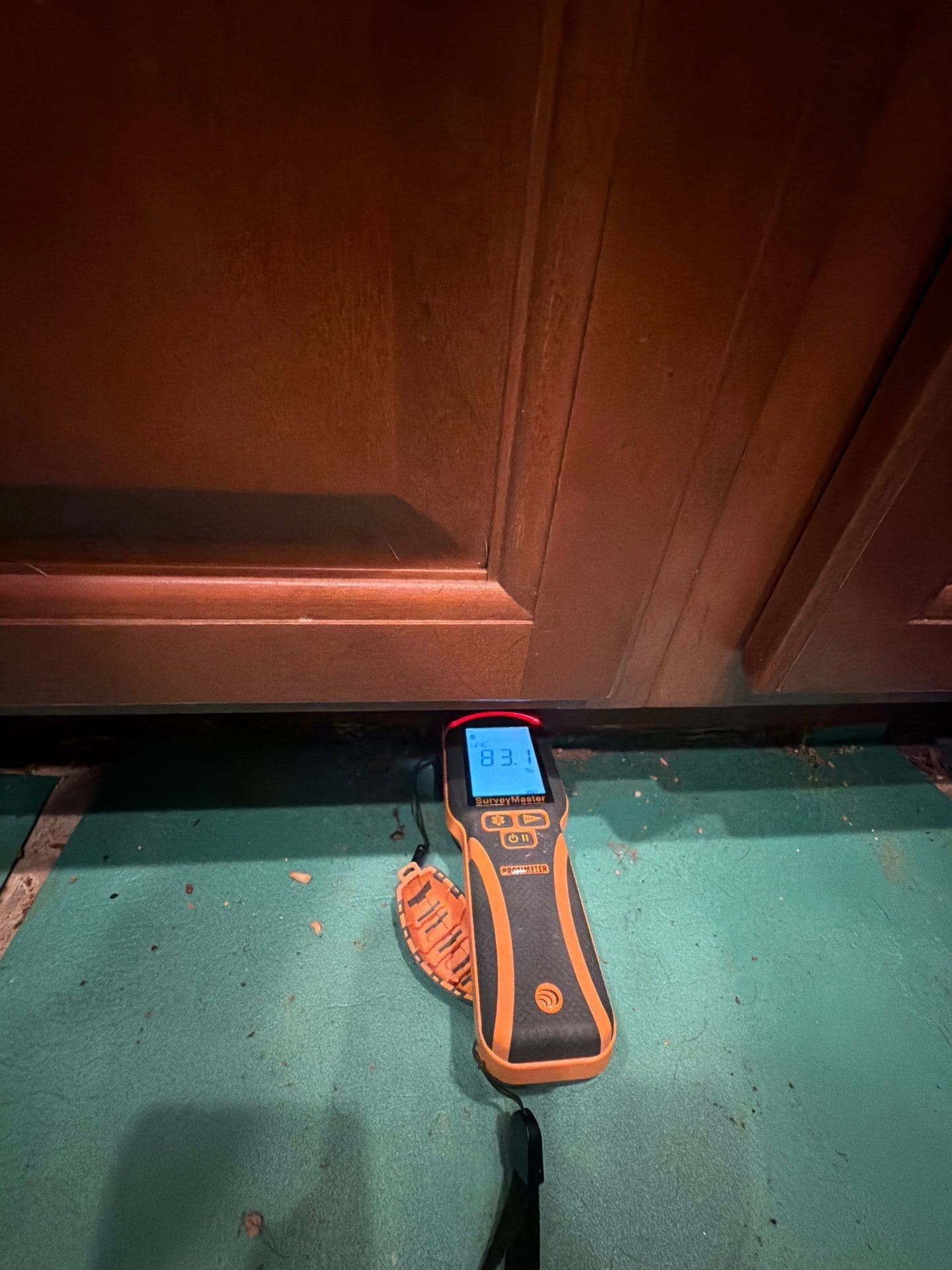
We can't approve your claim (only your insurer can), but we build the record that supports it. From the first visit we photograph the loss, map the moisture, and log every drying reading, capturing the scope before anything is torn out.
Then we share that documentation directly with your adjuster and advocate for a fair, accurate scope. A sudden loss that's thoroughly documented is far harder to dispute than a story told after the fact. The record is the part you can control.
Prevention
How to Protect Your Water Damage Coverage
Water damage coverage is preserved through documentation and speed. Annual dated photos of the home, prompt reporting, immediate mitigation, and receipts for every loss-related expense are what separate a smoothly paid claim from a disputed one.
- Photograph every room annually. Dated photos are the strongest supporting evidence for any future claim.
- Report a loss promptly. Delay gives the carrier grounds to argue the damage grew through neglect.
- Begin mitigation immediately. Every policy requires preventing further damage; waiting can reduce the payout.
- Keep every receipt. Fans, supplies, and hotel nights connected to the loss are all documentable claim costs.
Questions
Water Damage Coverage, frequently asked
Is water damage from a burst pipe covered?
A sudden, accidental burst pipe is one of the most commonly covered water losses, because it's abrupt rather than gradual. The pipe repair itself may be treated separately from the water damage. Your specific policy governs, so confirm with your carrier.
Why might a water damage claim be denied?
Most denials come down to gradual damage or maintenance, a leak that dripped for months, or wear the homeowner knew about. Sewer backups need a specific endorsement, and outside flooding usually needs separate flood insurance. Sudden, well-documented losses fare best.
Does documentation really change the outcome?
It's one of the biggest factors you control. Photos, moisture readings, and drying logs captured before cleanup make the scope clear and hard to dispute. We build that record from the first visit and share it directly with your adjuster.
Get Help Now
Request a free inspection
The Service That Handles This
Where We See It
Related Guides
24/7 Emergency Response
Damage won't wait. Neither do we.
Call now for a free inspection and 24/7 response across Hemet and Riverside County. We handle the cleanup and deal with your insurer.