Damage Guides · Water
My toilet overflowed, is it clean or contaminated water?
An overflow or backup has put water on your floor, and whether it's clean or contaminated decides how it has to be handled.
- IICRC Certified #70193059
- CSLB #1114551
- Hemet-based
- Serving all of Riverside County
What You're Noticing
The signs
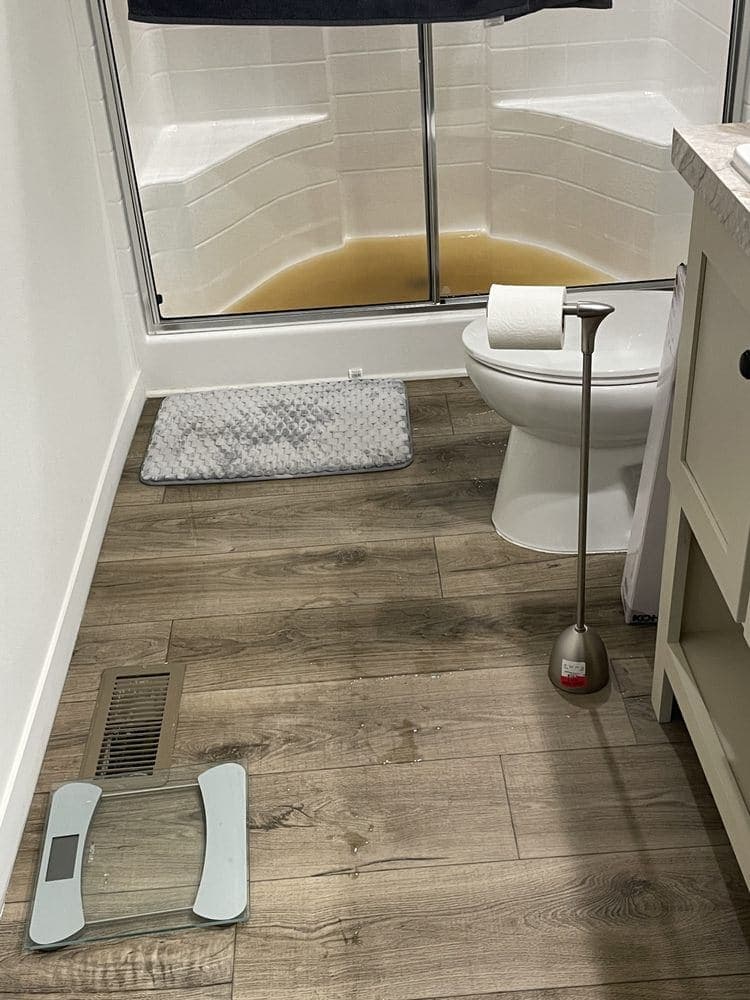
- Water spreading from the base of the toilet across the bathroom floor.
- A backup that pushes water, sometimes discolored, up through the bowl.
- A sewage or sour smell that tells you this isn't clean supply water.
- Water seeping under the flooring and into the baseboards and the next room.
What's Actually Happening
The cause
A simple overflow happens when the bowl clogs and keeps filling; the water is clean tank or supply water. That's a nuisance, but it's the least hazardous category.
A backup that pushes water up through the toilet is different. Under the IICRC standard, sewage is Category 3 water; it carries contaminants and needs sanitation and safe removal on top of drying. That category decides whether this is a quick mop-up or a full gloved, contained sanitation job.
Do This Now
Do this in the next 30 minutes
A few careful moves protect your safety and limit the damage. If a step isn’t safe, skip it and call us.
- 1
Stop the water at the toilet's valve
Turn the shutoff valve on the wall behind the toilet clockwise to stop the flow. If it won't budge, close the home's main shutoff instead.
- 2
Keep everyone away from a sewage backup
If the water is a backup rather than clean overflow, treat it as contaminated. Keep kids and pets out, wear gloves, boots, and an N95 if you must enter, wash thoroughly afterward, and don't run fans that blow it around.
- 3
Protect adjoining rooms
Block the doorway with towels to slow the spread, and lift rugs, mats, and anything porous off the floor so it doesn't soak up contaminated water.
- 4
Document it before you clean
Photograph the water and the affected floor and belongings. Note whether it's clean or contaminated water; that record matters for both cleanup and the claim.
Avoid These Mistakes
Don't do this
These are the moves that turn a manageable loss into a bigger, costlier one.
- Don't run a box fan across a sewage backup. It aerosolizes contaminants through the house.
- Don't mop a Category 3 backup with household towels and reuse them; it just spreads the contamination.
- Don't let kids or pets into the area until it's cleaned and sanitized.
- Don't keep soaked porous items (pad, low drywall, some flooring) that sat in contaminated water.
Clean overflow or sewage backup? The two get handled very differently.
If the water's contaminated, drying alone won't fix it; it needs sanitation. Call and we'll classify it and handle it right.
How We Handle It
What we do when we arrive
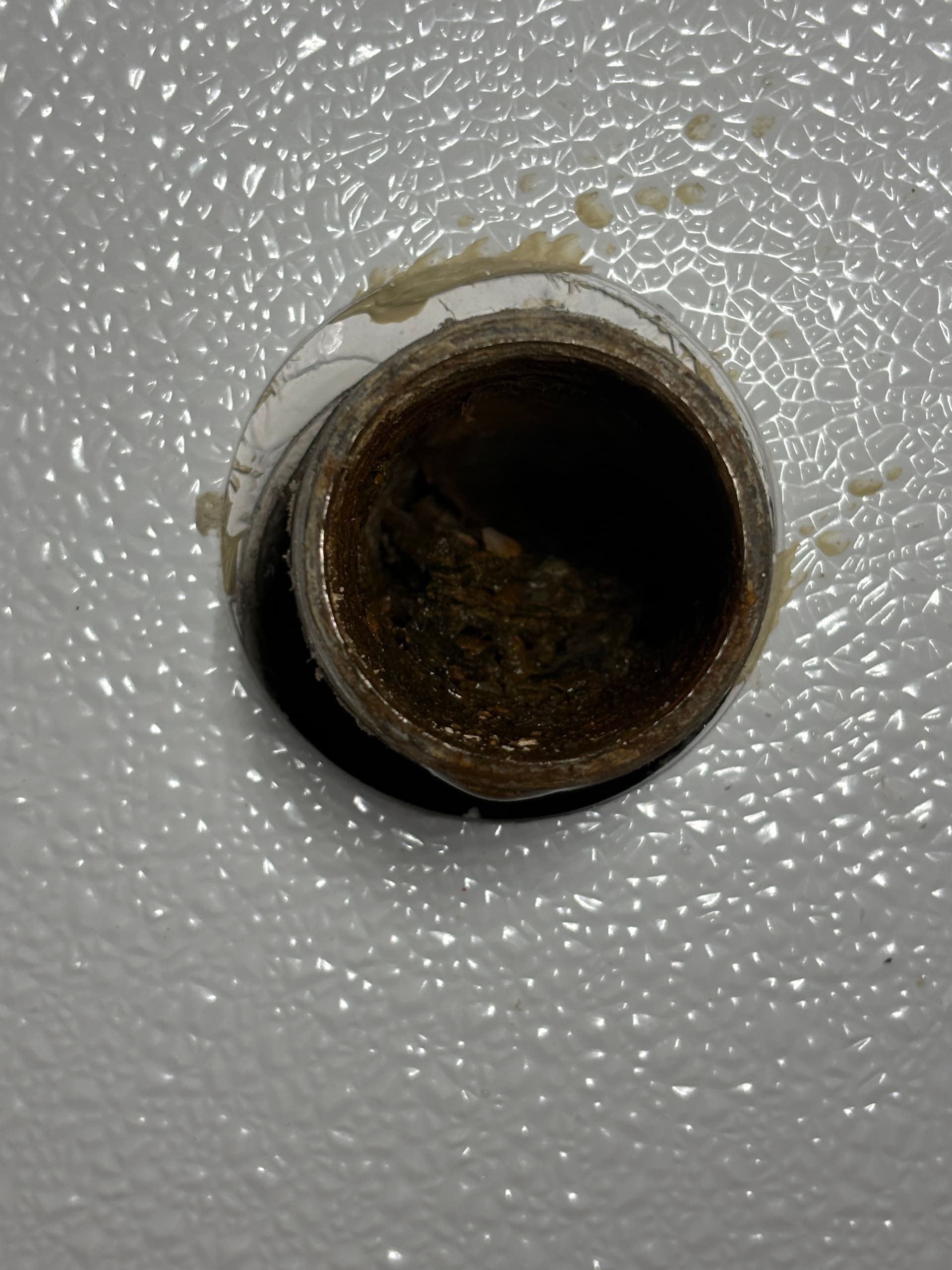
We start by classifying the water, because clean overflow and a Category 3 sewage backup call for very different work. Contaminated losses get containment, removal of unsalvageable porous materials, and thorough cleaning and sanitizing, since drying over contamination just leaves it behind.
Once the area is cleaned to standard, we dry it. Moisture meters and thermal imaging map the wet path, then air movers and LGR dehumidifiers bring the structure to IICRC S500 targets with a documented reading each day, leaving a sanitized, dry space ready for repair.
Your Claim
When insurance covers it
A sudden overflow or backup is commonly treated as a covered water loss, and many policies offer specific coverage for sewer or drain backups when that endorsement is on the policy. It's worth checking what yours includes.
Coverage gets harder when the problem was gradual, a slow, known issue or an un-maintained drain line. We can't guarantee an approval, but we categorize the loss correctly, document the sanitation and drying, and work with your carrier to support the claim.
Prevention
How to Prevent Toilet Overflows
Toilet overflows are among the most preventable water losses we handle. Flushing only waste and toilet paper, addressing weak flushes early, exercising the supply valve annually, and adding an inexpensive flood-stop device protect bathrooms, especially those above finished living space.
- Flush nothing but waste and toilet paper. Products labeled flushable still clog lateral lines and are a leading cause of contaminated backups.
- Treat a weak flush as a warning. A partial clog rarely clears itself; it progresses until the line blocks completely.
- Exercise the supply shutoff valve once a year. A valve that has not been turned in a decade seizes exactly when it is needed.
- Install a flood-stop valve on upstairs bathrooms. The device closes the supply automatically when it detects continuous flow.
Questions
Toilet Overflow, frequently asked
Is a toilet overflow really a health concern?
It depends on the water. Clean supply overflow is low-risk, but a sewage backup is Category 3 under the IICRC standard; it carries contaminants and needs proper sanitation, protective gear, and safe removal of soaked porous materials.
Can I just mop it up and dry it myself?
For a small clean overflow, maybe. For a contaminated backup, mopping spreads the contamination and leaves it in the subfloor, where mold can start within 24 to 48 hours. That kind needs cleaning and sanitizing before any drying.
What has to be thrown out?
With contaminated water, porous items that soaked it up (some flooring, pad, and drywall low on the wall) often can't be safely cleaned and are removed. Hard, non-porous surfaces are cleaned and sanitized instead.
Get Help Now
Request a free inspection
The Service That Handles This
Where We See It
Related Guides
24/7 Emergency Response
Damage won't wait. Neither do we.
Call now for a free inspection and 24/7 response across Hemet and Riverside County. We handle the cleanup and deal with your insurer.